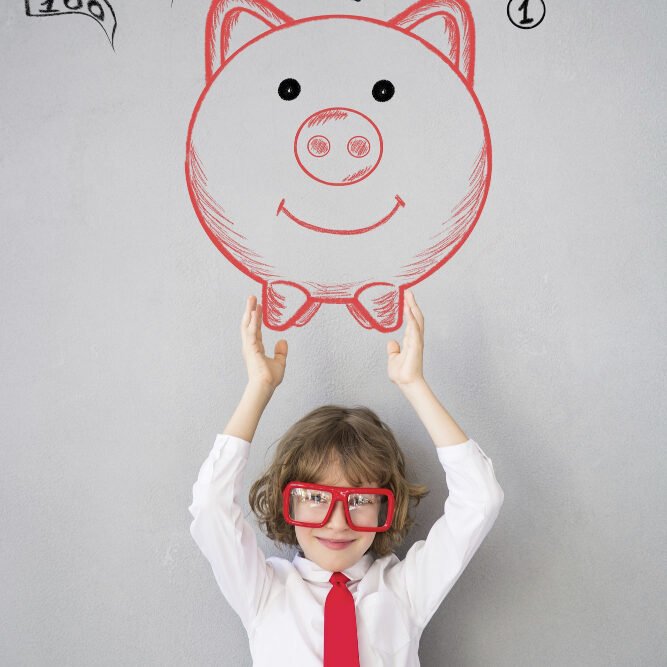
At Liberty Education Solutions, we believe that financial freedom begins with financial education — and the earlier, the better.
That is why we offer the most comprehensive financial education program in Spain, specifically designed to support students throughout their entire educational journey: from age 3 to 2nd year of Baccalaureate.
This is not just about theoretical classes. It is a practical, engaging, and progressive journey that teaches children and young people to understand money, make smart decisions, and build their future with confidence.
Our programs by stages:
Early Childhood Education (ages 3–6): Games, stories, and activities to discover the value of money, saving, and generosity. They learn concepts such as “need vs. want,” sharing, and waiting to achieve something.
Primary Education (ages 6–12): Practical workshops, shop simulations, smart piggy banks, and first family budgets. They discover saving, income, expenses, and the power of interest.
Secondary Education (ages 12–16): Real-life cases, youth entrepreneurship projects, introduction to investment, and responsible use of pocket money and first allowances. They manage their own “class bank” and learn about good debt and bad debt.
Baccalaureate (ages 16–18): Investment analysis, basic taxation, university financing, first steps in the stock market, responsible cryptocurrencies, and personal financial planning.
They will learn how to read and understand a payslip, file a tax return, and make adult financial decisions. They may even create their own business, while also developing critical thinking.
– Recognizing and managing one’s own emotions and those of others
– Communicating clearly and respectfully
– Resolving conflicts peacefully
– Developing empathy and assertiveness
– Working in teams and leading when needed
– Making and maintaining healthy friendships
– Preventing and detecting bullying
– Using social media responsibly
– Preparing for interviews, professional relationships, and university environments
Children who learn these skills from an early age gain the following advantages:
– Higher self-esteem and lower anxiety
– Less bullying and better non-violent self-defense skills
– Better academic performance through improved focus and cooperation
– Healthier and longer-lasting relationships
– Greater confidence and real-life tools for university and work
– Greater resilience in the face of life’s challenges
Starting at age 3 is not too early: it is the perfect moment. The brain is more flexible, and habits are established effortlessly.
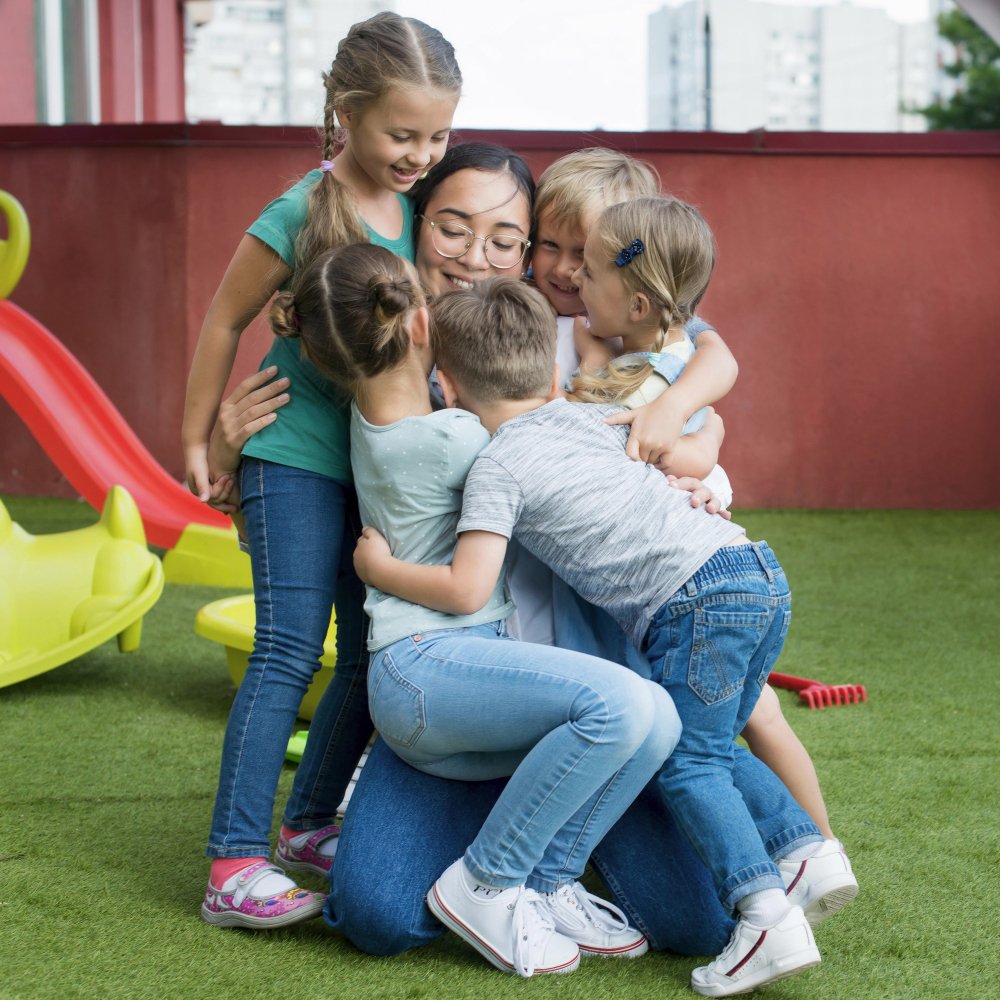
Instead of punishments or adults solving everything, we train students themselves as mediators so they can help their classmates resolve conflicts voluntarily, neutrally, and respectfully.
What is developed:
– Active listening without judgment
– Clear expression of feelings and needs
– Searching for fair agreements for both parties
– Repairing harm and restoring relationships
– Preventing escalation and fights
Advantages of implementing it from an early age:
– Conflicts are resolved in minutes and do not become entrenched
– Bullying and aggression decrease drastically
– The atmosphere in the playground and classroom improves
– Children learn to defend themselves and others without violence
– They develop empathy, responsibility, and natural leadership
– The school becomes a benchmark for positive coexistence
A playground with mediation is not a perfect playground; it is one where children learn to take care of themselves and others.
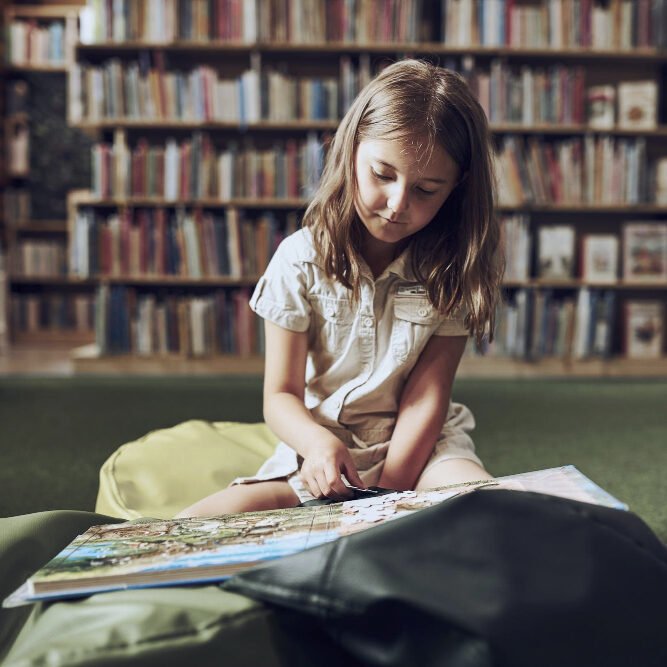
– A lively and attractive classroom library in every class
– Careful book selection graded by difficulty and genuine interest
– Daily uninterrupted free and silent reading time
– Reading promotion through storytelling, reading theater, book clubs, and meetings with authors
– Practical reading comprehension through short, motivating activities
– Real coordination between teachers and families with monthly recommendations and easy book loans
– Teacher training so reading becomes a habit, not just a subject
Primary education is the key stage: it is when children move from learning to read to reading to learn. If during these years they read a lot and read well, their vocabulary, concentration, empathy, and performance in all subjects improve permanently. If they do not engage with reading in primary school, it is very difficult to recover later.
Schools with a strong reading plan achieve:
– Students who read above the national average
– Fewer comprehension problems in all subjects
– Calmer children with greater attention capacity and fewer conflicts
– Involved families proud of their children’s reading habits
– Recognition as a cultural and academic reference center
A good reading plan will change many lives.
– Individualized observation adapted to each reality
– Meaningful access and content adaptations
– Materials and methodologies that enable real learning, not just presence
– Effective coordination between mainstream classrooms, specialists, and families
– Ongoing teacher training to avoid improvisation
– Support spaces that reinforce without isolating
– Evaluation that measures real progress, not just comparison with averages
When done with respect, students feel capable and valued, and therefore progress at their own pace and to their full potential.
The entire class benefits through greater calm and acceptance of diversity, reduced frustration, disruptive behavior, and dropout rates.
Above all, families stop feeling alone or guilty.
Students are not the product of a mold; each one is a mission, and they are important simply because they are children.
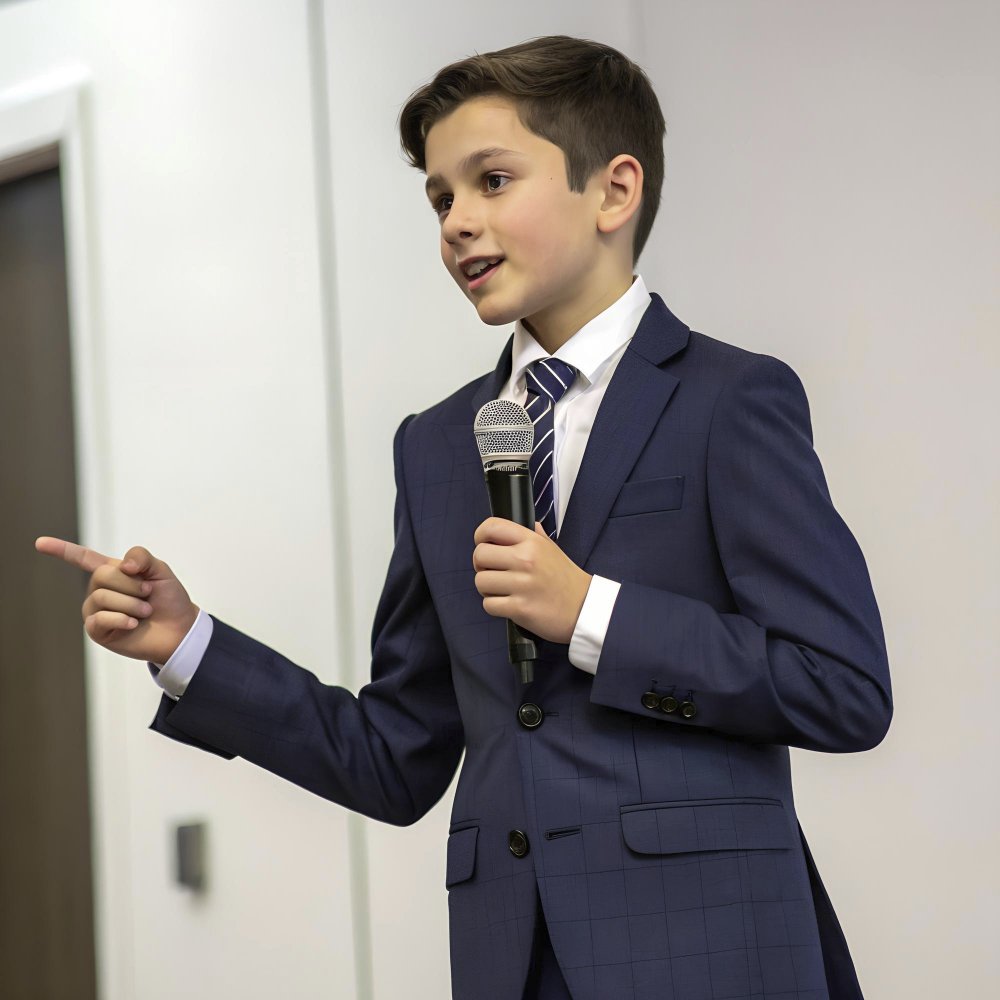
We implement a practical and progressive program in which students learn to introduce themselves confidently, greet properly, eat with good manners, speak in public without fear, truly listen, and move naturally in any formal or informal setting.
It is taught naturally: how to set a table and behave at it, write a formal letter or elegant email, express gratitude, apologize, participate in meetings, deliver a short speech, defend ideas clearly and respectfully, dress appropriately for each occasion, and treat others with genuine courtesy.
The earlier these habits are learned, the more natural they become and the greater the advantage: flawless job interviews, solid personal relationships, confidence in social events, and the image of an educated and capable person.
A student who masters protocol and public speaking does not just speak well: they convey their value and their respect.
Social Skills